
Children's Ministry
Goodness Builds Credibility
Kids ministry leaders are constantly teaching kids to make wise choices. But our leadership becomes far more powerful when kids, parents, and volunteers consistently…


Children's Ministry
Kids ministry leaders are constantly teaching kids to make wise choices. But our leadership becomes far more powerful when kids, parents, and volunteers consistently…

Children's Ministry
Kindness is often underestimated in leadership conversations. We talk about vision. Systems. Growth. Leadership pipelines. But kindness may be one of the most powerful…

Children's Ministry
Ten Safety Tips for Special Needs Ministry From KidCheck.com Creating a safe, supportive, and inclusive environment for every child is the foundation of an…

Children's Ministry
Patience may be one of the most overlooked leadership qualities in children’s ministry. We want quick growth. Quick results. Quick behavior improvement. Quick volunteer…

Awesome Products
Hey! I just discovered little JAM Sessions, and it is wonderful! I know in kids ministry, we are often looking for fresh, original, fun…

Children's Ministry
Every ministry leader has difficult days. Low attendance. Volunteer shortages. Unexpected criticism. Tech failures five minutes before service starts. The question isn’t whether challenges…

Children's Ministry
Building a culture of safety is more than just putting policies on paper. It’s about creating an environment where children are protected, volunteers and…

Children's Ministry
Children’s ministry leaders talk about love constantly. Love kids. Love families. Love your team. But biblical love is far deeper than simply being nice.…
Children's Ministry
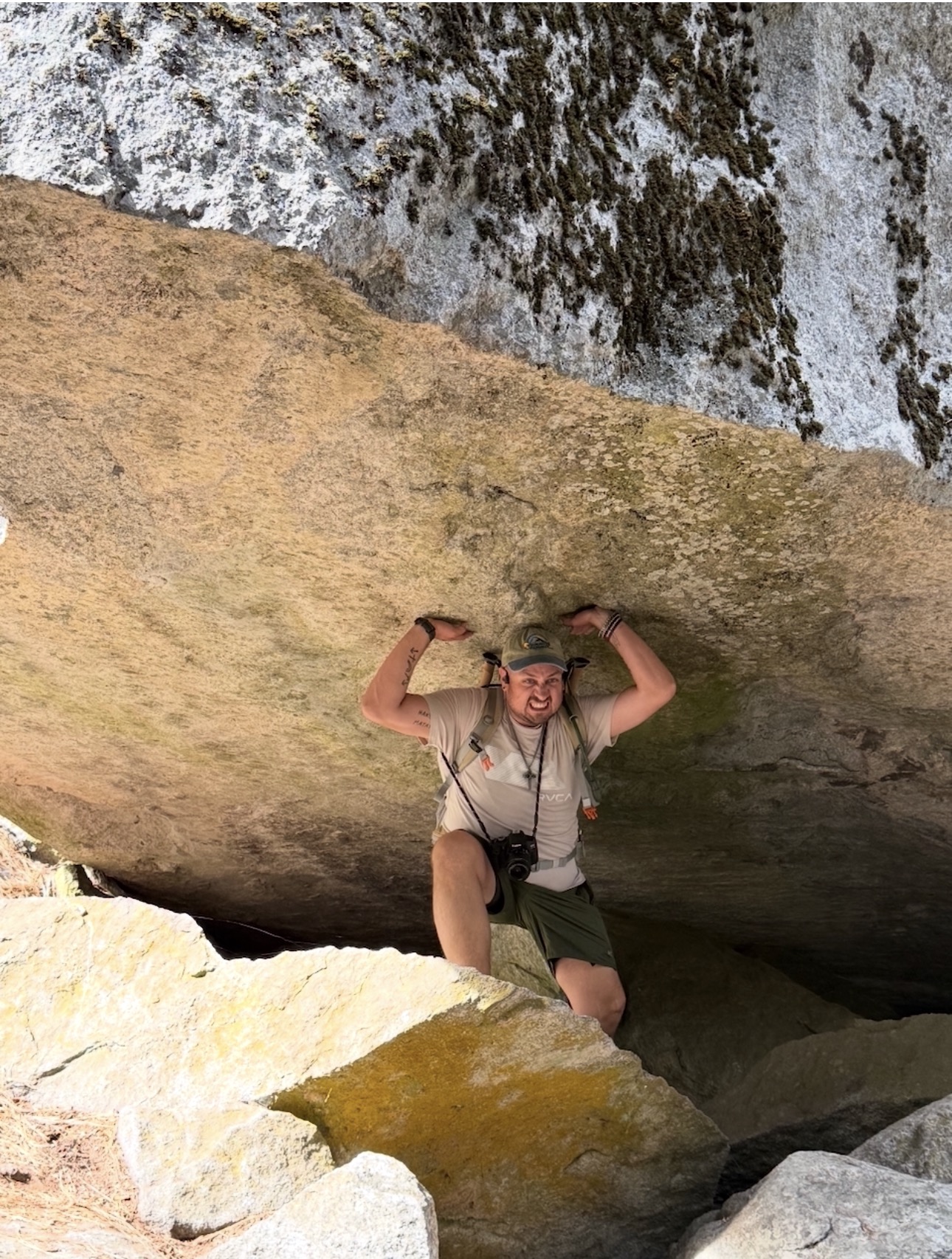
I snapped the photo below of my friend Zach while hiking in Yosemite. At first glance, it looks like he’s holding up a massive…
If You Love
Jesus and Kids...
You Belong Here!
“I consider my life worth nothing to me; my only aim is to finish the race and complete the task the Lord Jesus has given me.”
Acts 20:24
Real Kids.
Real Ministry.
Real Impact.