Ten Safety Tips for Special Needs Ministry

Ten Safety Tips for Special Needs Ministry From KidCheck.com Creating a safe, supportive, and inclusive environment for every child is the foundation of an effective special needs or adaptive ministry. Ensuring safety involves planning, clear and consistent communication, empathy, and training. Here are ten safety tips for serving children with special needs in your children’s ministry. 1. Gather Complete Information in Advance Before a child attends, ask parents to fill out a confidential intake form that includes the child’s medical information, allergies, triggers, calming techniques, mobility needs, and preferred communication methods. Keep the information private but accessible to those who need it. Update the details regularly. In addition to medical and allergy information that parents want displayed on the child’s name badge, KidCheck offers a private medical notes option. Parents can also easily share information they want you to be aware of, but kept private. These private comments will not be displayed on the label. Instead, it will show “Additional notes available,” and the notes are viewable in the child’s profile in the Admin Console. 2. Train and Equip Equip staff and volunteers with training on disability awareness, emergency protocols, safety procedures, de-escalation techniques, and signs of distress. It is always helpful to conduct scenario training during meetings. 3. Maintain Appropriate Adult-to-Child Ratios Smaller ratios are ideal for special needs ministry because they enable…

Continue reading

Why Patience Is One of the Greatest Leadership Skills

Patience may be one of the most overlooked leadership qualities in children’s ministry. We want quick growth. Quick results. Quick behavior improvement. Quick volunteer development. But discipleship rarely happens quickly. Galatians 5:22 reminds us that patience is part of the Fruit of the Spirit—not simply a personality trait. Patience grows as we walk closely with God. James 5:8 says: You too, be patient and stand firm, because the Lord’s coming is near. Patient leaders create room for growth. Kids need time to mature spiritually. Volunteers need time to build confidence. Parents need grace while navigating challenges at home. And honestly? We need patience with ourselves too. One impatient response from a leader can discourage a volunteer or embarrass a child in ways that linger longer than we realize. But patient leadership creates safety. It communicates: You matter more than your mistakes. Romans 12:12 says: Be joyful in hope, patient in affliction, faithful in prayer. That verse feels tailor-made for ministry leaders. Patience doesn’t mean lowering standards. It means leading with grace while trusting God to work over time. Remember: God is patient with us every single day. We have the opportunity to reflect that same patience to others. And if…

Continue reading

The Best Tool for Kids Choirs!

Hey! I just discovered little JAM Sessions, and it is wonderful! I know in kids ministry, we are often looking for fresh, original, fun kids choir songs – but we also want to disciple kids and help equip families to raise kids that love Jesus! little JAM Sessions – brings it all together with fun but meaningful songs, but they go the extra mile with curriculum to help teach the Truth behind the songs! I asked it’s creator, Brenda, if I could share it with my audience, and she was delighted to offer a coupon code: KIDOLOGY for 20% OFF any 6-week series! Here is an overview of what little JAM Sessions offer: PLUS: Learn more at Little JAM Sessions – and tell Brenda I sent you!

Continue reading

Leading With Joy When Ministry Gets Hard

Every ministry leader has difficult days. Low attendance. Volunteer shortages. Unexpected criticism. Tech failures five minutes before service starts. The question isn’t whether challenges will come. The real question is: What spirit will we carry into those moments? Galatians 5:22 reminds us: But the fruit of the Spirit is love, joy, peace, patience, kindness, goodness, faithfulness, gentleness and self-control. Joy is not pretending everything is perfect. Biblical joy is confidence that God is still at work even when circumstances feel messy. Nehemiah 8:10 says: Do not grieve, for the joy of the Lord is your strength. That changes how we lead. Joyful leaders create environments where volunteers feel encouraged instead of pressured. Joy brings emotional stability to a ministry team. It lowers tension, builds resilience, and reminds everyone why we serve in the first place. And peace matters too. Kids today carry far more anxiety and stress than many adults realize. A calm, peaceful leader can become a stabilizing presence in a child’s week. Philippians 4:7 says: And the peace of God, which transcends all understanding, will guard your hearts and your minds in Christ Jesus. Ministry leaders who walk closely with God often bring peace into chaotic environments simply…

Continue reading

Five Pillars for Building a Safety Culture

Building a culture of safety is more than just putting policies on paper. It’s about creating an environment where children are protected, volunteers and staff feel confident, and families have peace of mind. As a leader, you set the tone. These five pillars provide a strong framework for child protection and support for staff and families. 1. Clear Policies and Written Guidelines A culture of safety starts with clear, accessible, and consistently applied policies and guidelines, as outlined in a Child Protection Policy. This includes screening procedures, supervision ratios, reporting requirements, bathroom guidelines, emergency protocols, and communication expectations. When policies are written, frequently reviewed, and openly shared, everyone knows what “safe” looks like and how to respond when something seems off. 2. Comprehensive Screening and Onboarding Protecting children starts with choosing the right people, making your team a valuable asset. During screening, completed applications, background checks, interviews, reference calls, and tailored onboarding help identify candidates who are dedicated, reliable, and aligned with your organization’s values. Additionally, a strong onboarding process gives volunteers and staff the clarity they need to serve safely and confidently. 3. Consistent Training and Competency Building a culture of safety requires continual learning. Training equips volunteers with the tools they need to recognize red flags, respond to injuries, understand appropriate touch boundaries, and follow policies. 4.…

Continue reading

Stop Holding Up the Rock

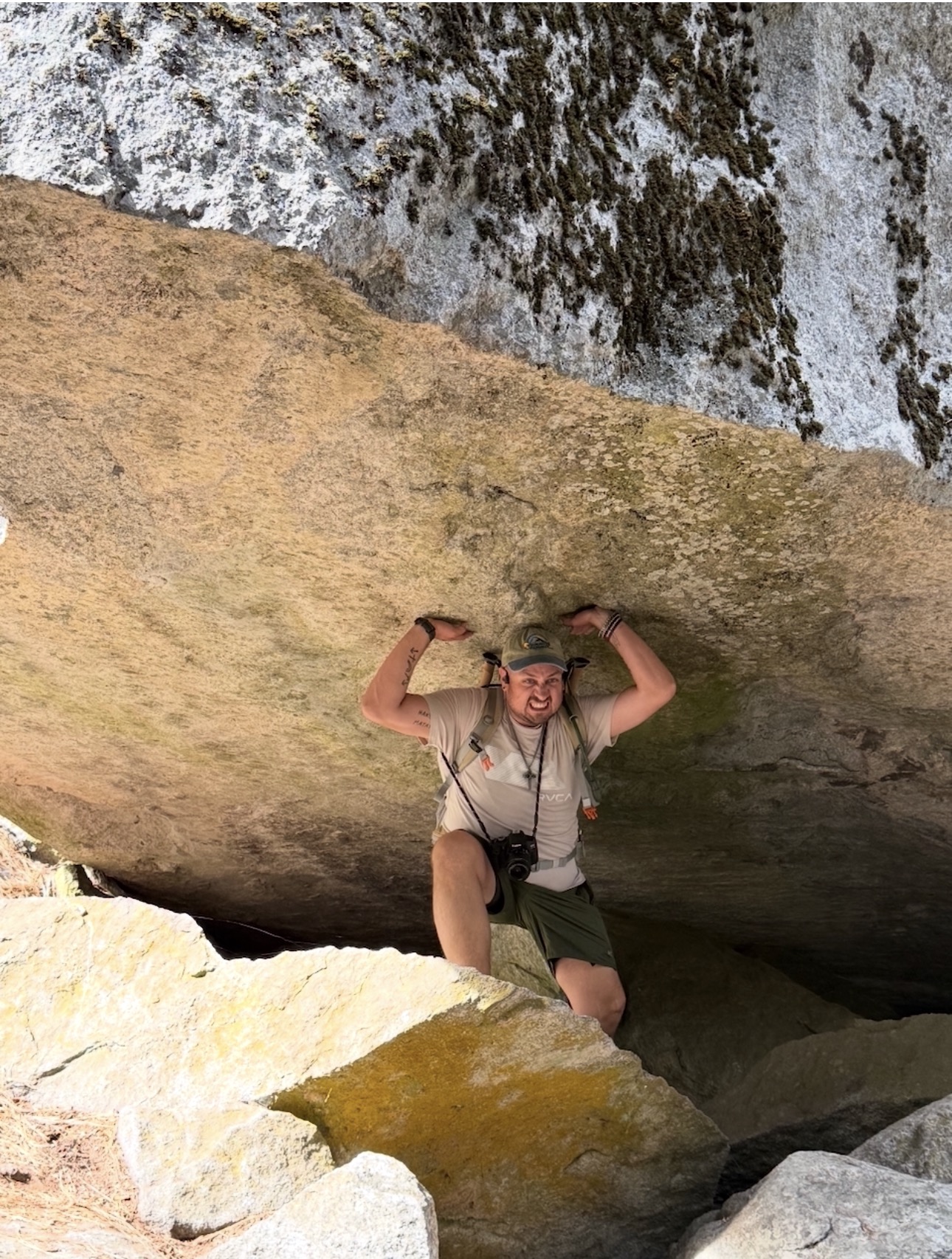
I snapped the photo below of my friend Zach while hiking in Yosemite. At first glance, it looks like he’s holding up a massive boulder. His face says it all—strained, burdened, fighting to keep the weight from crushing him. Of course, He’s not really holding up the rock. The rock is holding itself up. But isn’t that exactly how ministry can feel sometimes? There are seasons when it seems like we’re carrying everything. Recruiting volunteers. Writing lessons. Scheduling teams. Solving staffing problems. Ordering supplies. Managing budgets. Answering parent emails. Training leaders. Following up with guests. Planning events. Putting out fires. Preparing for Sunday while already worrying about next Sunday. The list never seems to end. Before long, we begin to feel like the success of the ministry rests entirely on our shoulders. We start pushing up against the weight of it all, convinced that if we stop for even a moment, everything will come crashing down. Yet God never asked us to hold up the rock. In fact, Scripture paints an entirely different picture. Psalm 46:1 says, “God is our refuge and strength, an ever-present help in trouble.” A refuge is not something you carry. A refuge is something that…

Continue reading